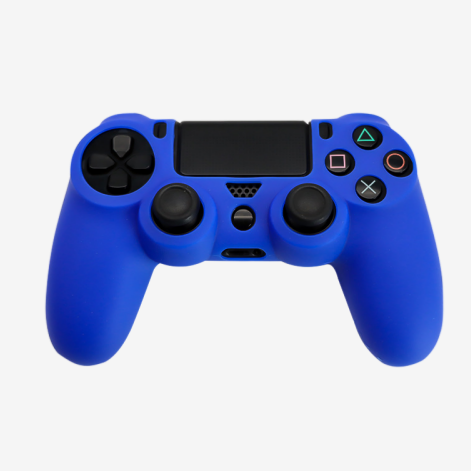
Choosing the right silicone manufacturer is one of the most important decisions in any custom OEM/ODM product development project. A wrong supplier can lead to tooling delays, unstable quality, failed compliance testing, communication problems, and expensive redesigns that delay your launch timeline.
For startups, Amazon sellers, DTC brands, and industrial product developers, custom silicone manufacturing is far more complex than simply requesting a quote. Material selection, mold structure, compression molding feasibility, shrinkage compensation, tooling precision, and production consistency all affect whether a product can move smoothly from concept to mass production.
This guide explains how to evaluate a silicone OEM manufacturer from an engineering, sourcing, and manufacturing perspective — not just from pricing alone.
What Is a Silicone OEM/ODM Manufacturer?
A silicone OEM/ODM manufacturer is a factory that develops and produces custom silicone products for brands, startups, and industrial clients. These manufacturers may support product design, DFM optimization, mold development, prototype production, compression molding, packaging, and mass production.
Silicone OEM/ODM manufacturing is commonly used for:
- Baby products
- Pet products
- Kitchenware
- Wearable accessories
- Protective covers
- Industrial silicone components
- Medical-grade silicone products
A true silicone manufacturer does far more than molding silicone parts. The best suppliers help clients optimize manufacturability, reduce defect risks, improve tooling efficiency, and stabilize production quality.
OEM vs ODM vs Contract Manufacturing
OEM manufacturing means producing products based on the customer’s design. ODM manufacturing involves suppliers providing partially developed product concepts. Contract manufacturing focuses mainly on production execution without product development support.
| Type | Definition | Best For |
|---|---|---|
| OEM | Customer owns product design | Custom product development |
| ODM | Supplier provides product concept | Faster market entry |
| Contract Manufacturing | Factory produces based on provided files | Mature product designs |
For most custom silicone products, OEM manufacturing is preferred because it provides better control over tooling, branding, product structure, and intellectual property.
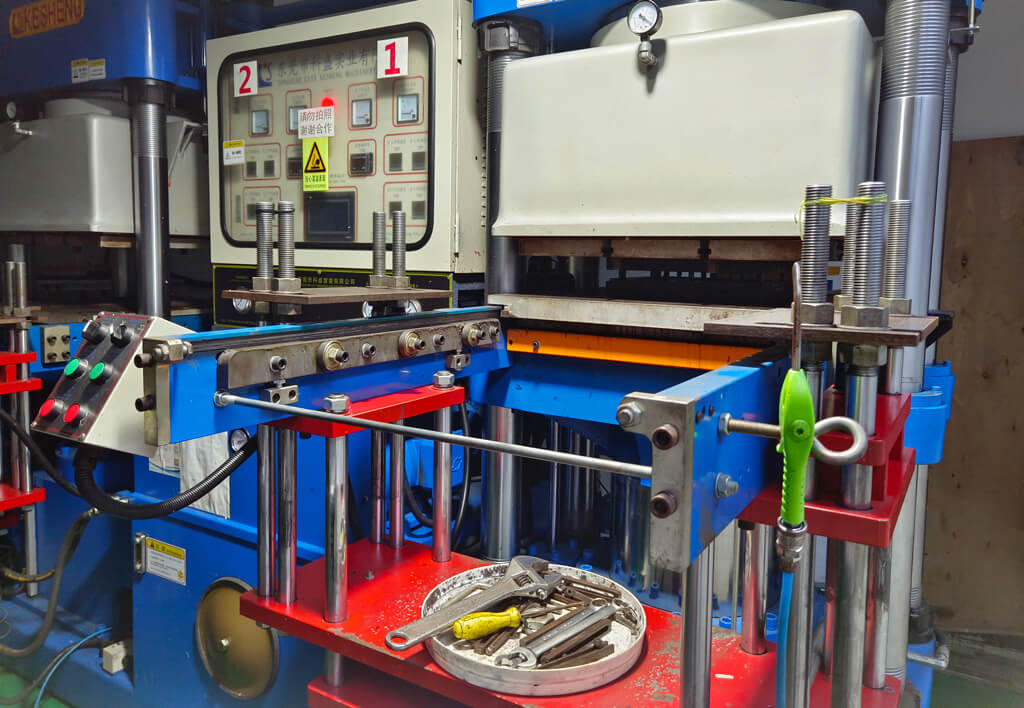
Why Choosing the Right Silicone Manufacturer Matters
A qualified silicone manufacturer reduces tooling risks, improves product consistency, supports engineering optimization, and helps brands avoid expensive production mistakes during scaling.
Many buyers focus too heavily on pricing during early sourcing stages. However, low pricing often creates hidden long-term costs:
- Tooling rework
- Unstable dimensions
- Flash issues
- Poor curing consistency
- Failed FDA/LFGB testing
- Packaging contamination
- Communication delays
- Shipment quality disputes
In silicone manufacturing, production stability matters more than the lowest quote.
Factories with strong engineering support often save clients significantly more money over the entire project lifecycle.
Key Factors to Evaluate Before Choosing a Silicone Manufacturer
Engineering Capabilities
Strong engineering capability is one of the most important indicators of a reliable silicone OEM manufacturer. Factories with engineering experience can identify manufacturability risks before tooling begins.
A professional silicone manufacturer should support:
- DFM review
- Shrinkage compensation
- Parting line optimization
- Flash control planning
- Shore hardness recommendations
- Material selection
- Structural feasibility analysis
Many production issues originate from weak early-stage engineering review.
For example, extremely thin silicone walls may deform during demolding. Very thick silicone sections may create curing inconsistency during compression molding. Tiny holes or deep undercuts may increase tooling complexity significantly.
Experienced engineering teams identify these risks before production.

DFM Support
DFM (Design for Manufacturability) is essential for silicone product development.
A proper DFM review evaluates:
- Tooling feasibility
- Material flow
- Demolding direction
- Tolerance stability
- Surface texture compatibility
- Assembly structure
- Multi-material integration
Poor DFM increases:
- Tooling revisions
- Scrap rate
- Production instability
- Assembly issues
- Cosmetic defects
In many cases, minor design adjustments can dramatically improve manufacturing stability without affecting product appearance.

Mold Development Capability
Mold development capability directly affects product quality, dimensional consistency, and production efficiency.
Many suppliers outsource tooling. This creates communication gaps between mold makers and production teams.
An in-house mold workshop usually provides better:
- Tooling control
- Engineering communication
- Mold maintenance
- Sampling speed
- Iteration efficiency
A professional silicone mold workshop should support:
- CNC machining
- EDM processing
- Mold polishing
- Mold assembly
- Trial testing
Tooling quality heavily affects:
- Flash visibility
- Parting line appearance
- Product consistency
- Mold lifespan
- Production yield

Compression Molding Experience
HB Silicone specializes in solid silicone compression molding.
Compression molding is highly suitable for:
- Food-grade silicone products
- Baby products
- Pet products
- Wearables
- Thick-wall silicone parts
- Multi-color silicone products
- Overmolding structures
Compared with LSR injection molding, compression molding often provides:
- Lower tooling investment
- Better flexibility for medium-volume production
- Wider material adaptability
- Better suitability for certain complex textures
However, compression molding also requires strong process control.
Factors like:
- Material preforming
- Vacuum vulcanization
- Curing temperature
- Pressure control
- Flash trimming
all influence final product quality.

Compression Molding vs LSR Injection
Compression molding and LSR injection molding both have advantages depending on project requirements, production volume, tooling budget, and product structure.
| Factor | Compression Molding | LSR Injection |
|---|---|---|
| Tooling Cost | Lower | Higher |
| MOQ Flexibility | Better | Higher MOQ |
| Suitable Structures | Thick & complex silicone parts | High-volume precision parts |
| Material Flexibility | Excellent | Limited to LSR |
| Sampling Speed | Faster for many OEM projects | Longer tooling complexity |
| Production Automation | Lower | Higher |
Compression molding is often preferred for custom OEM/ODM projects requiring flexibility, lower tooling investment, and diverse silicone structures.
FDA/LFGB Compliance
For baby products, kitchenware, and pet products, material compliance is critical.
A professional silicone manufacturer should understand:
- FDA silicone requirements
- LFGB testing
- Platinum silicone compounds
- Food-grade pigment compatibility
- Migration testing considerations
Not all silicone compounds are equal.
Material sourcing consistency strongly affects:
- Product odor
- Transparency
- Durability
- Testing performance
MOQ Flexibility
MOQ flexibility matters especially for:
- Startups
- Kickstarter projects
- Product validation stages
- Small-batch launches
Some factories only prioritize high-volume production.
However, engineering-focused manufacturers understand that many successful products begin with small pilot runs.
Low MOQ support helps clients:
- Validate market demand
- Reduce inventory risk
- Test packaging
- Optimize products before scaling
Production Consistency
Stable production consistency is often more important than achieving the lowest manufacturing price.
Production consistency depends on:
- Material batching
- Tooling precision
- Operator experience
- Temperature control
- Vulcanization stability
- Quality inspection systems
In silicone manufacturing, inconsistent curing can cause:
- Size instability
- Surface defects
- Warping
- Hardness variation
Experienced factories prioritize process control over aggressive cost reduction.

Questions You Should Ask a Silicone Manufacturer Before Starting
Before selecting a supplier, buyers should ask:
- Do you have in-house mold development?
- What molding process do you specialize in?
- Can you support DFM review?
- How do you handle shrinkage compensation?
- Can you support prototype iterations?
- Do you have FDA/LFGB material experience?
- What are your typical tooling lead times?
- How do you manage quality inspection?
- Can you support custom packaging?
- Who owns the tooling after payment?
These questions reveal whether the supplier truly understands OEM/ODM manufacturing.
Red Flags When Working With Silicone Suppliers
Poor communication, unrealistic pricing, weak engineering understanding, and vague tooling processes are major warning signs when evaluating silicone suppliers.
Common red flags include:
- Extremely low pricing
- No engineering feedback
- No DFM discussion
- Outsourced tooling without transparency
- Slow prototype revisions
- Poor communication speed
- Inconsistent technical explanations
- No quality documentation
- Unrealistic lead time promises
Professional manufacturers discuss risks openly instead of hiding complexity.
How Prototype Development Impacts Product Success
Prototype development is one of the most important stages in silicone product manufacturing.
It helps validate:
- Structural feasibility
- User experience
- Material performance
- Texture appearance
- Assembly compatibility
- Packaging fit
- Mold behavior
Prototype iterations also help reduce large-scale production risks.
For example:
- Silicone shrinkage may require tooling adjustment
- Surface textures may affect demolding
- Assembly structures may require tolerance modification
- Shore hardness may need optimization
Skipping prototype optimization often creates major mass-production problems later.

Chinese Silicone Manufacturers vs Trading Companies
Real silicone manufacturers usually provide stronger engineering support, faster tooling communication, and better production control than trading companies.
| Type | Advantages | Risks |
| Manufacturer | Better engineering & production control | Requires technical communication |
| Trading Company | Easier sourcing communication | Less production transparency |
Factories with in-house engineering teams generally provide better technical support during OEM/ODM development.
How HB Silicone Supports OEM/ODM Product Development
HB Silicone focuses on engineering-driven silicone OEM/ODM manufacturing.
Capabilities include:
- In-house mold workshop
- CNC machining
- Mold polishing
- Compression molding production
- Prototype support
- Engineering optimization
- Packaging support
- Silicone overmolding
- Multi-material product development
Rather than only quoting production prices, HB Silicone works closely with customers during:
- DFM review
- Material selection
- Tooling optimization
- Production feasibility analysis
- Prototype iteration
This helps reduce manufacturing risks before mass production begins.
Case-Based Manufacturing Examples
Baby Products
Baby silicone products require:
- FDA/LFGB compliance
- Odor control
- Soft-touch texture
- Stable curing consistency
Teething products often require careful flash control because babies frequently contact edge areas directly.
Pet Products
Pet slow feeders and lick mats require:
- Strong suction structure
- Stable molding depth
- Flexible yet durable silicone
Very deep textures may increase demolding complexity during compression molding.
Wearable Products
Silicone wearable products require:
- Dimensional precision
- Skin-friendly silicone
- Stable color matching
- Strong assembly compatibility
Multi-material assemblies may require insert molding or overmolding optimization.
Kitchenware
Kitchen silicone products require:
- Heat resistance
- Food-grade pigments
- Long-term dimensional stability
- Consistent curing
Certain glossy textures may reveal parting lines more visibly.

Common Mistakes Buyers Make When Choosing Silicone Manufacturers
The biggest mistake buyers make is evaluating suppliers mainly by price rather than engineering capability and production stability.
Other common mistakes include:
- Ignoring DFM review
- Skipping prototype optimization
- Choosing suppliers without tooling expertise
- Underestimating shrinkage issues
- Assuming all silicone materials are identical
- Ignoring communication efficiency
- Focusing only on MOQ
- Not clarifying tooling ownership
Good manufacturing partnerships are built on technical alignment, not only pricing.
Expert Checklist Before Choosing a Silicone Manufacturer
Before confirming a supplier, verify:
- In-house tooling capability
- Engineering support availability
- Compression molding experience
- Material compliance knowledge
- Prototype iteration capability
- Stable communication process
- Quality inspection system
- Packaging capability
- Production scalability
- Tooling ownership clarity
Choosing the right silicone manufacturer is not simply about finding the cheapest quote. Successful OEM/ODM development depends on engineering support, tooling capability, manufacturing stability, and long-term collaboration.
The best silicone manufacturing partners help brands reduce production risks, optimize product feasibility, and improve scalability from prototype to mass production.
For companies developing custom silicone products, investing in the right manufacturing partner early often saves significant time, tooling cost, and quality risk later in the project lifecycle.
FAQ on choosing a silicone manufacturer
How do I choose a reliable silicone manufacturer?
Choose a manufacturer with strong engineering capability, tooling experience, DFM support, stable communication, and proven silicone production expertise. Avoid selecting suppliers only based on pricing.
What is the difference between silicone OEM and ODM?
OEM manufacturing produces products based on customer designs, while ODM suppliers provide partially developed product concepts that customers can customize.
Is compression molding better than LSR?
Compression molding is often better for flexible OEM/ODM projects with moderate volumes and lower tooling budgets, while LSR is ideal for high-volume automated production.
What certifications should a silicone manufacturer have?
Common certifications include FDA, LFGB, and material compliance documentation depending on product category and target market.
Why is DFM important in silicone manufacturing?
DFM helps optimize tooling, reduce defects, improve molding stability, and prevent production problems before tooling investment begins.
What causes silicone product defects?
Common causes include unstable curing, poor tooling design, incorrect shrinkage compensation, material inconsistency, and weak process control.
How long does silicone tooling take?
Typical silicone tooling lead times range from 10–20 days depending on product complexity, mold structure, and sampling requirements.
What products use compression molding?
Compression molding is widely used for baby products, pet products, kitchenware, industrial silicone parts, wearable accessories, and protective covers.
Need engineering support for your custom silicone project? Contact HB Silicone to discuss tooling feasibility, DFM optimization, and prototype development.